Commercial drain problems rarely begin as a dramatic failure. They build gradually inside the pipe, where years of corrosion, scale, grease, and debris reduce the opening and make recurring backups more likely.
That is what Advanced Drainage Repair documented while evaluating three 4-inch sanitary drain lines at a commercial property in St. Rose, Louisiana. The lines measured approximately 45 feet, 62 feet, and 77 feet—a combined 184 feet of aging drain pipe that needed more than a quick cable cleaning.
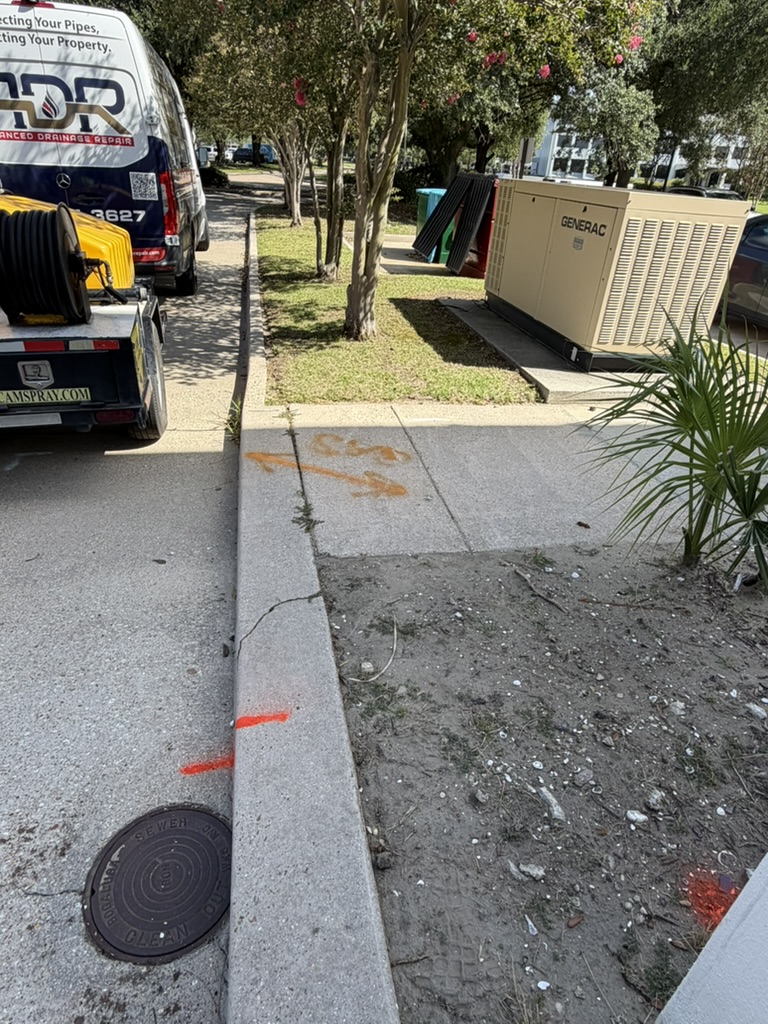
The sewer-camera images told the real story.
What the camera found
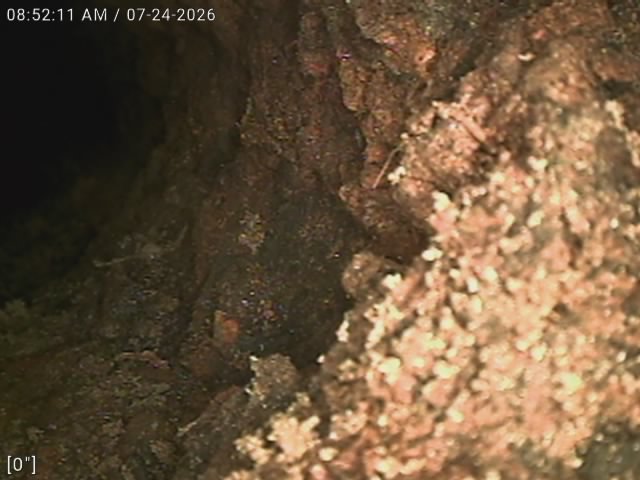
Inside the cast-iron pipe, the wall surface was heavily coated and irregular. Thick buildup reduced the usable diameter and created rough edges where paper, grease, and debris could catch. Conditions like these can restrict flow even when a line still appears to be draining.
A basic stoppage call may restore temporary flow, but it does not answer the larger questions:
- How much of the pipe opening has been lost?
- Is the buildup hiding cracks, holes, or separated connections?
- Can the existing pipe be rehabilitated, or is excavation required?
- Which sections need work, and which sections remain serviceable?
Those answers require a camera inspection and a cleaning method matched to the condition of the pipe.
Why descaling comes before lining
Mechanical descaling is different from simply pushing through a blockage. Specialized equipment removes corrosion and hardened deposits from the interior wall. The line is then flushed to carry loosened material out of the system.
For this St. Rose project, ADR’s documented preparation included mechanical descaling and flushing of all three lines, followed by CCTV verification. That preparation is essential before cured-in-place pipe lining because the liner needs a properly cleaned, measured, and verified host pipe.
Skipping that step can leave hidden defects, poor transitions, or remaining deposits that compromise the rehabilitation plan.
A phased commercial approach
The project was organized in three clear phases:
- Inspect and document the existing pipe.
- Descale, flush, and verify the lines before rehabilitation.
- Install the approved CIPP liner and complete a final camera inspection.
This sequence gives the property owner a record of what was found, what preparation was performed, and what the pipe looks like after the rehabilitation work. It also lets the repair scope follow the evidence instead of relying on guesswork.
Why this matters for commercial facilities
Commercial buildings can place a heavier and more consistent load on their drainage systems than a typical residence. A restricted line can affect employees, customers, tenants, kitchens, restrooms, and daily operations. Waiting for a complete blockage can turn a planned maintenance project into an emergency shutdown.
Facility managers should consider a documented CCTV inspection when they see:
- Recurring backups or slow drains
- Multiple fixtures affected at the same time
- Older cast-iron piping
- Repeated cabling without a lasting solution
- Sewer odors or unexplained drainage noise
- A repair recommendation made without video evidence
Build the repair around the evidence
The important lesson from this St. Rose project is simple: clean flow today does not always mean healthy pipe. A camera inspection shows the condition. Descaling exposes the true pipe wall. Only then should the rehabilitation method and footage be finalized.
Advanced Drainage Repair provides commercial sewer-camera inspections, mechanical descaling, hydro jetting, CIPP lining, and targeted repairs throughout Greater New Orleans and the Gulf South.
If your facility has recurring drain problems or aging cast-iron lines, call 504-321-3627 or request a commercial inspection through ADR’s website.